
Maintenance Responsibilities Maintenance disputes are one of the most consistent sources of conflict between commercial landlords and tenants. They arise mid-tenancy when something breaks and neither party believes it is their problem. They arise at the end of a lease when a landlord claims the premises have not been kept in the condition the agreement required. And they arise at signing, when a tenant discovers, usually too late, that the lease they agreed to placed significantly more maintenance responsibility on them than they expected. The reason commercial maintenance disputes are so common is that the allocation of maintenance responsibility in a commercial lease is governed almost entirely by the contract. There is no legislation equivalent to the Rental Housing Act that sets a default standard for commercial tenancies. What the lease says is what applies, and commercial leases in South Africa frequently push maintenance obligations further onto the tenant than most tenants realise when they sign. Maintenance obligations in commercial leases are governed by the contract, not legislation. The common law starting point Under South African common law, a landlord has an obligation to deliver the leased premises in a condition fit for the purpose for which they were let, and to maintain them in that condition for the duration of the lease. For a commercial tenant, this means the landlord is required, at common law, to keep the property in a state that allows the tenant to use it for the business purpose contemplated by the lease. In practice, this common law position is almost universally modified by the commercial lease itself. Most commercial leases contain express clauses that limit or exclude the landlord’s maintenance obligation and place a broader duty of maintenance on the tenant. These modifications are generally enforceable between commercial parties, which is why the terms of the specific lease are what matter rather than the common law default. Understanding what your lease says about maintenance, rather than what you assume the legal position to be, is the starting point for understanding your actual obligations. What landlords are typically responsible for Commercial leases generally retain landlord responsibility for structural elements of the building and common areas. This covers the external fabric of the building, the roof, external walls, foundations, and structural components, as well as common areas shared by multiple tenants, including lobbies, corridors, ablution facilities in common areas, lifts, parking areas, and the general grounds of the property. The reasoning is straightforward: structural and common area maintenance affects the building as a whole and sits with the party who owns and controls the building. A tenant who occupies one floor of a multi-tenant office building has no practical ability to manage the roof or the external envelope, and would not reasonably be expected to bear the cost of doing so. However, even in areas that appear clearly within landlord responsibility, the lease may include qualifications. Some leases place responsibility for structural repairs caused by the tenant’s use of the premises back onto the tenant. Some limit the landlord’s structural obligation to major repairs only, leaving the tenant responsible for minor structural defects. These qualifications are worth identifying before you sign. Where it gets complicated: the grey areas The clearest maintenance disputes in commercial leasing do not arise over who is responsible for the roof. They arise in the areas where responsibility is genuinely ambiguous or where the lease allocates obligations in ways that are not immediately obvious at signing. Air conditioning and HVAC systems Heating, ventilation, and air conditioning is the single largest source of commercial maintenance disputes in South Africa. HVAC systems are expensive to maintain, expensive to repair, and expensive to replace, and commercial leases vary significantly in how they allocate responsibility for them. In many commercial leases, the tenant is responsible for the maintenance, repair, and servicing of the HVAC system serving their tenancy, including the units, the ducting, the compressors, and in some leases, full replacement if a unit reaches end of life during the lease term. This obligation is frequently buried in the maintenance clause without being explicitly flagged, and tenants who assumed air conditioning maintenance was the landlord’s problem have found themselves facing significant costs mid-tenancy when a system fails. Before signing, identify specifically what the lease says about HVAC. Who is responsible for routine servicing? Who bears the cost of repairs? If a unit requires replacement during the lease term, whose obligation is that? The answers to these questions have a direct bearing on the cost of occupying the space. Plumbing Plumbing maintenance in commercial leases is typically split between the landlord and the tenant, but the line is not always drawn clearly. The landlord is generally responsible for the main plumbing infrastructure serving the building. The tenant is generally responsible for plumbing within their tenancy. The question of who bears the cost of a blockage, a burst pipe, or a failed fitting within the tenanted space is one that leases answer differently, and it is worth checking the specific provision before you sign. Electrical installations A similar split applies to electrical systems. The landlord typically maintains the main electrical infrastructure and distribution boards serving the building. The tenant is responsible for the electrical installation within their tenancy, including any office-fitout electrical work they carried out when they took occupation. Where the base-build electrical installation within the tenancy develops a fault, the allocation of responsibility depends on how the lease defines the boundary between the landlord’s and tenant’s electrical systems. The problem of vague maintenance clauses Vague maintenance clauses are common in commercial leases and are consistently problematic in practice. A clause that requires the tenant to “maintain the premises in good order and condition” sounds reasonable at signing. When a HVAC unit fails, or a plumbing installation develops a serious fault, or a suspended ceiling begins to deteriorate, a vague clause of this kind is open to a range of interpretations, and those interpretations tend to be argued by both parties in their own favour. A

Operating Costs in a Commercial Lease: What They Include
Operating Costs in a Commercial Lease: What They Include and How They Are Calculated When a business owner assesses whether they can afford a commercial space, they typically start with the monthly rental figure. That figure is the most visible cost in the lease and the one most prominently quoted when a space is marketed. It is also, in many commercial leases, not the full story. Operating costs are charged to tenants separately from base rental in most commercial leases structured on a net basis. Depending on the building, the lease terms, and the composition of those costs in any given year, operating cost recoveries can add a material amount to what you actually pay each month, and that amount can increase independently of your rental escalation. Understanding what operating costs are, what they include, and how they are calculated before you sign is one of the most practical steps a commercial tenant can take to avoid financial surprises once they are in occupation. Operating costs are charged to commercial tenants in addition to base rental and can significantly increase your monthly liability. What operating costs are Operating costs, sometimes referred to in leases as outgoings, service charges, building levies, or recoveries, are the costs a landlord incurs in running, maintaining, and managing a commercial building. Rather than absorbing these costs as a property owner, the landlord recovers them from tenants in proportion to the floor area each tenant occupies relative to the building as a whole. The principle behind operating cost recovery is that tenants, as the users of the building and its common areas and services, contribute to the cost of keeping those services operational. In a fully let multi-tenant building, the total operating cost is distributed across all tenants. If a building has a single tenant occupying the entire floor area, that tenant typically carries the full operating cost. The key distinction is between a gross lease and a net lease. In a gross lease, operating costs are built into the base rental, the landlord has estimated what those costs will be and incorporated them into the rental figure. In a net lease, the base rental and operating costs are separate line items, and the tenant pays both. Many commercial leases in South Africa are structured on a net or modified net basis, which means operating costs are recovered in addition to the rental you agreed to pay. What operating costs typically include The specific composition of operating costs varies between buildings and between leases, but most commercial operating cost schedules include the following categories. Municipal rates and taxes are typically the largest single component. These are the charges levied by the local municipality on the property and are passed through to tenants as a recoverable cost. Municipal rates can increase significantly from one year to the next, particularly following a municipal revaluation, and those increases flow directly into the operating cost recovery without being subject to the escalation cap that applies to base rental. Building insurance covers the landlord’s insurance of the building structure itself, not the tenant’s contents or liability, which the tenant is responsible for separately. The building insurance premium is a recoverable operating cost in most commercial leases. Common area cleaning covers the maintenance and cleaning of all shared spaces in the building, lobbies, corridors, ablutions, and any other areas used by multiple tenants. Security costs cover the provision of access control, security personnel, and monitoring systems for the building and its common areas. Utilities for common areas,electricity and water consumed in shared spaces rather than within individual tenancies are typically recovered as part of operating costs. Lifts, escalators, and other mechanical services in common areas carry their own maintenance and service contract costs, which are also commonly included. Building management fees are charged by the managing agent or property management company responsible for administering the building on behalf of the landlord. These fees cover the day-to-day management of the property, including tenant liaison, maintenance coordination, and financial administration. Management fees are a legitimate recoverable cost, but their structure and rate are worth checking in the lease, particularly where the landlord manages the property through a related entity. Grounds and landscaping maintenance covers the upkeep of any external areas, gardens, or parking areas associated with the building. Pest control and general building maintenance costs are also commonly included, subject to what the lease specifies. What operating costs typically exclude Not all building-related costs are recoverable from tenants, and understanding what sits outside the operating cost schedule is as important as understanding what sits inside it. Capital expenditure, the cost of major structural repairs, roof replacements, or significant building upgrades, is generally not recoverable as an operating cost. The distinction between maintenance and capital expenditure is not always clear-cut and can be a source of dispute between landlords and tenants. A landlord who includes the cost of a roof replacement in the annual operating cost recovery is doing something that most leases do not permit, and that a tenant has grounds to challenge if the lease draws a clear line between operating costs and capital items. Costs that relate specifically to the landlord’s obligations under the lease , rather than to the general running of the building, are also generally not recoverable. If the landlord has a maintenance obligation under the terms of the lease, the cost of meeting that obligation is their liability, not a shared cost to be recovered from tenants. How operating costs are calculated and recovered The mechanics of operating cost recovery are set out in the lease, and the detail matters. The most common approach in multi-tenant commercial buildings is a proportionate recovery based on the tenant’s share of the gross leasable area of the building. If a building has a total leasable floor area of 5 000 square meters and you occupy 500 square meters, your proportionate share of the total operating cost is ten percent. In practice, most leases require tenants to pay an estimated monthly operating cost
Reinstatement: The Commercial Lease Obligation Most Tenants Overlook
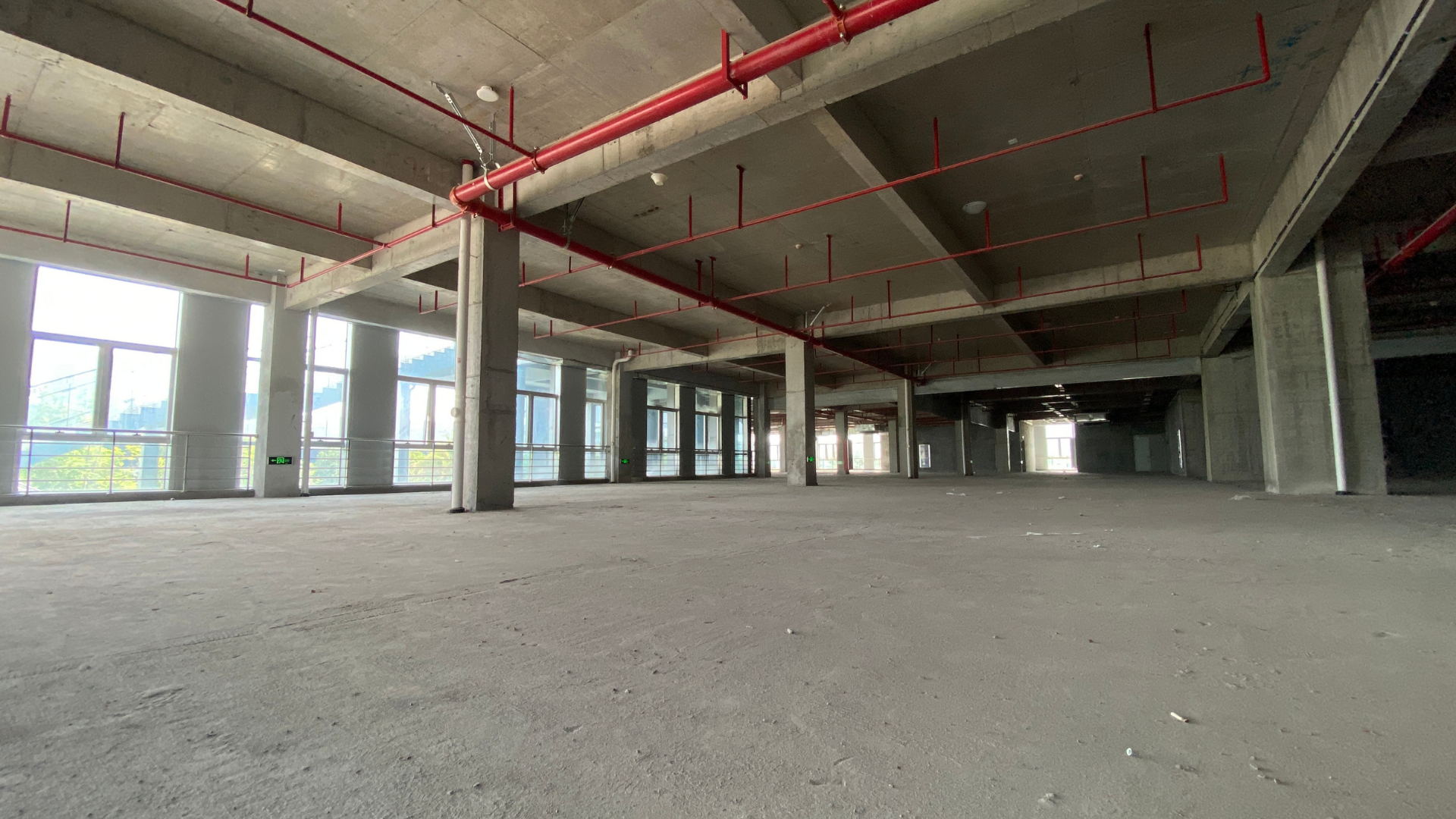
Property Reinstatement Of all the financial obligations buried in a commercial lease, reinstatement is the one most likely to catch a tenant off guard. Not because it is hidden, in most commercial leases it is stated clearly enough, but because it sits at the end of the agreement, applies at the end of the tenancy, and feels abstract at the point of signing when the priority is getting into the space and getting to work. By the time reinstatement becomes immediately relevant, the lease is usually already signed and the fitout is already in. The cost, and the obligation to bear it, are no longer negotiable. Reinstatement requires commercial tenants to return leased premises to their original condition at lease end. What reinstatement means Reinstatement is the obligation to return the leased premises to the condition they were in when you took occupation, typically described in the lease as “original condition” or “the condition at the commencement date of the lease.” At the end of your tenancy, whether the lease expires naturally or is cancelled early, you are required to remove everything you installed and restore the space to the state it was in before you occupied it. In a commercial context, this can cover a significant amount of work. Partitioning, ceilings, lighting, air conditioning, flooring, electrical modifications, data cabling, plumbing changes, built-in storage, signage, and any structural alterations you made to the space all potentially fall within the scope of reinstatement. If you installed it during your tenancy, you may be required to remove it and make good any damage the removal causes to the underlying structure. The cost of doing this depends entirely on the extent of the fitout and the condition the landlord expects the space to be returned in. For a tenant who took a bare shell, fitted it out comprehensively, and occupied it for five years, the reinstatement cost can be substantial, running to hundreds of thousands of rands in some cases, and represents a real financial liability that is rarely factored into the initial cost assessment of taking on a commercial space. Why it is so commonly overlooked Reinstatement clauses sit near the end of most commercial leases, in the section dealing with lease termination. At the point of signing, most tenants have already worked through the financial obligations that feel most immediate, the rental, the escalation, the deposit, the operating costs, and the reinstatement clause reads as a reasonable-sounding provision about leaving the space tidy. It is only when you start calculating what it would actually cost to strip out a fitted office, remove a raised floor, take down a ceiling grid, and restore every surface to shell condition that the financial weight of the obligation becomes clear. The other reason reinstatement is overlooked is that it feels contingent. Most tenants sign a lease expecting to stay for the full term and renew. The idea of vacating, and the cost of doing so, is not front of mind at signing. But leases end, sometimes early, sometimes on terms that were not anticipated, and when they do, the reinstatement obligation in the lease determines exactly what you are required to do and pay before you hand back the keys. What the lease says governs Unlike residential tenancies, where the Rental Housing Act provides a regulatory framework that applies regardless of what the lease says, commercial reinstatement is almost entirely governed by the contract. What your lease says about reinstatement is what you are bound to. There is no statutory standard that overrides a clearly worded reinstatement clause, and landlords are entitled to enforce it. This is why the reinstatement clause needs to be read carefully before you sign, not after the fitout is in and not at the point of notice. Three things to check in every commercial lease reinstatement clause are the scope of the obligation, the standard to which the premises must be restored, and whether landlord consent for fitout work affects the reinstatement position. Scope: what you are required to remove The reinstatement clause should specify what must be removed at the end of the lease. In some leases, the obligation extends to everything the tenant installed. In others, only specific categories of work are listed. In others still, the clause is broadly worded and covers anything that alters the original condition of the space. Where the clause is broad, the safest approach is to assume that any fitout work you carry out falls within scope. If you intend to make significant modifications to the space, clarify with the landlord in writing before signing what the reinstatement position will be and get that clarification captured in the lease or in a written addendum. Standard: what “original condition” means in practice “Original condition” sounds clear but is frequently disputed in practice. The question is whether original condition means the condition the space was in when you personally took occupation, or a defined base-build specification that the landlord maintains as the standard for the building. Where the lease refers to a specific specification, shell and core, warm shell, or a defined fitout standard, the reinstatement obligation is easier to assess. Where it simply says “original condition,” the incoming occupation schedule becomes the key reference document. This is the commercial equivalent of the residential incoming inspection: a record of the state of the premises at lease commencement that both parties sign. If no occupation schedule was completed at the start of the lease, establishing what “original condition” means becomes a matter of interpretation, and disputes are more likely. Most commercial leases require the tenant to obtain the landlord’s written consent before carrying out any fitout or alteration work. That consent process is an opportunity to address the reinstatement position directly. When seeking consent, ask specifically whether the landlord intends to require reinstatement of the proposed work at the end of the lease. Some landlords, particularly where the fitout improves the lettability of the space, will agree in writing that reinstatement of specified elements will not

The Incoming Inspection: Why It’s the Most Important Document You’ll Sign
The Incoming Inspection Most tenants approach the incoming inspection as a formality, a quick walkthrough of the property on move-in day, a form to sign, and then on with the business of unpacking. That attitude is understandable, but it is also the single most common reason tenants lose money they should not lose when they eventually move out. The incoming inspection is not a formality. It is the document that establishes the condition of the property at the start of your tenancy and against which every damage claim at the end of your lease will be assessed. Done properly, it protects you. Done badly, or not at all, it leaves you exposed to deductions from your deposit that you have no documented basis to dispute. The incoming inspection is not a formality. What the incoming inspection is The incoming inspection, sometimes called an ingoing inspection or entry inspection, is a record of the condition of the rental property at the point you take occupation. It covers the state of every room, fixture, fitting, appliance, and surface in the property and notes any pre-existing damage, wear, or defects before you move in. At the end of your tenancy, the outgoing inspection records the condition of the property when you vacate. Any damage identified at the outgoing inspection that was not recorded at the incoming inspection is attributed to the tenant and can form the basis for deposit deductions. Any damage that was recorded at the incoming inspection cannot. The incoming inspection report is therefore the baseline document for the entire tenancy. Its accuracy at the start of your lease determines what you can and cannot be held liable for at the end of it. What the Rental Housing Act requires The Rental Housing Act makes specific provision for the inspection process. Before a tenant takes occupation, the landlord is required to conduct a joint inspection of the property with the tenant. A written record of the inspection must be completed and signed by both parties, and the tenant is entitled to a copy. The same process applies at the end of the lease. A joint outgoing inspection must be conducted, a written record completed and signed by both parties, and a copy provided to the tenant. The landlord then has seven days after the lease expires, or 14 days after the premises have been restored where damage is claimed, to return the deposit, less any agreed deductions. The joint inspection requirement exists specifically to protect both parties. A landlord who conducts an inspection without the tenant present, or who refuses to conduct one at all, is not complying with the Act, and that has direct implications for their ability to make damage claims at the end of the lease. What happens when there is no incoming inspection Where no incoming inspection is conducted, a landlord has significantly less standing to make damage claims at the end of the tenancy. Without a documented baseline, there is no evidence of what condition the property was in when you moved in, which makes it difficult to prove that any damage found at the outgoing inspection was caused by the tenant rather than pre-existing. In practice, some landlords still attempt to make deductions in these circumstances — particularly where the outgoing inspection identifies obvious damage and the tenant cannot prove it was pre-existing. The absence of an incoming inspection does not automatically protect the tenant in every situation, but it substantially weakens the landlord’s position and gives the tenant a defensible basis to dispute claims. If your landlord does not schedule an incoming inspection before or at the time you take occupation, put your request for one in writing and keep a record of both the request and any response. How to approach the incoming inspection correctly Do it before you move anything in The inspection should be conducted before your furniture and belongings are in the property. Once the space is occupied, pre-existing marks, damage, or defects become harder to distinguish from anything that happened during the move-in process. Go through every room and every item Work through the property systematically. Note the condition of walls, ceilings, floors, windows, doors, cupboards, and all fixtures and fittings. Check all appliances included in the rental — stove, oven, refrigerator, washing machine — and confirm they are in working order. Test taps, showers, and toilets. Note any marks, stains, chips, cracks, or damage, however minor. Photograph everything Take dated photographs of every defect and area of concern noted in the inspection report. Photograph pre-existing damage even where the landlord has already noted it — you want your own dated record, not only the landlord’s. Photographs are the most effective evidence in any deposit dispute and cost nothing to take at the start of a tenancy. Do not accept vague descriptions in the report Inspection reports sometimes record damage in broad or vague terms — “marks on wall” or “carpet stained.” Push for specific descriptions that identify the exact location, nature, and extent of each defect. A vague entry at the incoming inspection creates ambiguity that tends to favour the landlord at the outgoing inspection. Read the report before you sign it This sounds obvious, but many tenants sign the inspection report without reading it carefully — particularly at the end of a long move-in day. Do not sign a report you have not read. If items were discussed during the walkthrough that are not reflected in the written report, raise that before you sign. Once you have signed, the document reflects your agreement to its contents. Get your copy immediately You are entitled to a signed copy of the inspection report. Do not leave the property on move-in day without it. A landlord who says they will send it later is creating an opportunity to revise the document after the fact. If a copy is not available immediately, confirm by email what was agreed during the inspection and request the signed report as a follow-up. Fair wear
Why Your New Agreement Isn’t the Same as Your Old One
Lease Renewal Most residential tenants treat a lease renewal as a formality. The landlord sends through a new agreement, the rental has gone up by whatever percentage was agreed, and the tenant signs without reading the rest of it. In most cases, nothing goes wrong. In enough cases, something does, and when it does, the tenant is bound by terms they did not notice had changed. A lease renewal is not an extension of your current agreement. It is a new contract. A lease renewal is not an extension of your current agreement. It is a new contract. Everything in it is open to revision, and landlords, or their managing agents, do revise it. Understanding what commonly changes at renewal, and why it matters before you sign, is the point of this article. What the Consumer Protection Act says about renewal notice Before getting into what can change, it is worth understanding your rights around the renewal process itself. Under the Consumer Protection Act, a landlord is required to give you written notice of the approaching end of your fixed-term lease between 40 and 80 business days before the expiry date. That notice must remind you that the lease is ending and outline the options available, renewal, continuation on a month-to-month basis, or termination. If you want to cancel at the end of the fixed term, you are required to give 20 business days written notice. If neither party gives notice, most leases provide for the agreement to continue on a month-to-month basis on the existing terms, but that is the existing terms, which is another reason to make sure you know what those terms are before the renewal window arrives. What landlords and managing agents commonly revise at renewal Maintenance and repair obligations This is the area where tenants are most likely to find that something has changed without it being flagged. Managing agents periodically update their standard lease templates, and the version you sign at renewal may allocate maintenance responsibilities differently from the one you signed at the start of your tenancy. Clauses around geyser maintenance, plumbing, and electrical installations are the most commonly revised. A clause that placed geyser responsibility with the landlord in your original lease may not do so in the renewal. Deposit provisions Landlords sometimes require a deposit top-up at renewal to bring the deposit amount in line with the new rental. Check whether the renewal agreement includes a revised deposit requirement, how it is calculated, and what the conditions for its return are at the end of the new lease period. The Rental Housing Act requires deposits to be held in an interest-bearing account, confirm this is still reflected correctly in the renewal document. Escalation structure The escalation rate for the renewal period may differ from the rate that applied during the initial lease term. It is also worth checking when the increase takes effect. Some leases apply the renewal escalation from the commencement date of the new agreement. Others carry a lag. The difference affects your cash flow and is worth confirming before you sign. Read more about our residential lease reviews Cancellation and notice terms Notice periods and early cancellation provisions sometimes change between the original lease and the renewal. Check the notice period for month-to-month cancellation within the renewal term, the provisions around early exit during a fixed renewal period, and whether any new penalty clauses have been introduced. Pet and occupancy clauses Restrictions around pets, additional occupants, or subletting occasionally become more restrictive at renewal, particularly where a managing agent has updated their standard lease template or where the landlord has had problems with other tenants in the building. If pets or occupancy arrangements apply to your situation, check these clauses explicitly in the renewal document. Rules and conduct provisions Where a property is part of a sectional title scheme or managed complex, body corporate rules can change between lease periods. A renewal agreement may incorporate updated conduct rules by reference without drawing attention to what has changed. If the building has a homeowners or body corporate association, it is worth checking whether any rule changes have been passed since you originally signed. The clauses you should check in every renewal Tenants often feel that a renewal is not the time to raise concerns or ask for clarification, the relationship is established, the landlord knows them, and querying the document might create friction. That is the wrong way to think about it. A renewal is the highest-leverage moment in a tenancy to address terms that have never quite sat right, to query changes in the new agreement, and to ensure that what you are signing accurately reflects what has been agreed. A landlord who will not answer a reasonable question about a clause in their own lease agreement before you sign it is telling you something useful. Getting a renewal reviewed before you sign If you are approaching a renewal and want to understand what has changed and whether the new terms are reasonable, a lease review gives you a clear written summary of the material differences between your current agreement and the renewal document, and flags anything worth raising before you sign. Lease-IQ reviews residential lease renewals as part of both the Standard Review and the Full Review and Report service. Book a consultation call to discuss your renewal before you commit to another lease period. The content in this article is provided for informational purposes and does not constitute legal advice. If you are involved in a dispute or require legal representation, consult a qualified attorney.

What to Check Before Signing a Residential Lease
What to Check Before Signing a Residential Lease in South Africa. Signing a residential lease is one of the more significant financial commitments most people make on a regular basis. Yet most tenants sign without reading every clause, without questioning the terms, and without a clear understanding of what they have agreed to until something goes wrong. That is not carelessness. Lease agreements are legal documents written by landlords or their attorneys, handed to tenants with an implicit deadline and very little context. The language is dense, the obligations are spread across multiple clauses and schedules, and the consequences of misunderstanding them only become clear months or years into a tenancy. The ten areas below cover what every residential tenant in South Africa should review before signing. Not as a substitute for professional advice, but as a starting point for knowing the right questions to ask. 1. The rental amount and exactly what it includes The monthly rental figure is rarely the full cost of occupying a property. Before you sign, confirm whether the rental includes or excludes water, electricity, gas, refuse removal, and parking. Some leases bundle all utilities into a single monthly amount. Others require the tenant to register accounts in their own name with the municipality or utility provider. Others charge utilities separately at cost. The distinction matters for budgeting and for understanding your liability if accounts fall into arrears. A lease that appears affordable at face value can carry significantly higher monthly costs once utilities are accounted for. 2. The lease period and commencement date Confirm the exact start and end date of the lease. A fixed-term lease has a defined end date and carries different implications from a month-to-month arrangement, for both renewal and cancellation. Pay attention to what the lease says happens at the end of the fixed term. Many leases convert automatically to a month-to-month arrangement if neither party gives notice. Others require an active renewal process. Understanding this in advance avoids situations where you are unexpectedly bound to terms you intended to renegotiate. 3. The deposit: amount, how it is held, and how it is returned Under the Rental Housing Act, a landlord is required to hold your deposit in an interest-bearing account for the duration of the lease. The interest accrues for the benefit of the tenant. Check that your lease reflects this correctly and that it specifies the process and timeframe for the return of your deposit at the end of the lease. The Rental Housing Act provides for the deposit to be returned within seven days of lease expiry where no damage is claimed, or within 14 days after the restoration of the premises where damage has been deducted. Leases that specify longer return periods or that give the landlord broad discretion over deductions are worth questioning before you sign. 4. The incoming inspection and its importance The incoming inspection, the snag list conducted when you take occupation, is the single most important document in any tenancy. It records the condition of the property at the start of the lease and is the baseline against which any damage claims at the end of your tenancy will be assessed. Before you sign, confirm that the lease provides for a joint incoming inspection and that you will receive a copy of the completed inspection report. If the lease does not make provision for a formal incoming inspection, that is a clause to raise before you sign. A landlord who cannot account for the pre-existing condition of the property at the start of the lease is in a significantly weaker position to make damage claims at the end of it. 5. Maintenance and repair responsibilities Residential leases in South Africa vary considerably in how they allocate maintenance responsibility. The general principle is that tenants are responsible for day-to-day maintenance and minor repairs, while landlords are responsible for structural elements and major installations. In practice, leases frequently push more responsibility onto the tenant than the legal baseline requires. Read the maintenance clause carefully. Note specifically what the lease says about geysers, plumbing blockages, electrical installations, and appliances where they are included in the rental. A clause requiring the tenant to maintain and repair a geyser, for example, carries meaningful financial exposure that is not obvious at signing. Also check how the lease distinguishes between fair wear and tear — which is the landlord’s responsibility,and damage caused by the tenant. This distinction is the most common source of deposit disputes at the end of a lease. 6. Annual escalation Most fixed-term leases provide for an annual rental increase, typically linked to either a fixed percentage or the Consumer Price Index. Check the escalation clause carefully and confirm the rate, the timing of the increase, and whether it applies automatically or requires a new agreement. A fixed escalation of ten percent per annum, for example, means your rental in year two is ten percent higher than in year one. Over a two or three year lease, the compounding effect is worth calculating before you sign. 7. Renewal terms If the property suits your needs long-term, check what the lease says about renewal. Does it give you a right of first renewal? At what point must the landlord notify you of the terms for the next period? What happens if you do not respond in time? Under the Consumer Protection Act, a landlord must give a tenant at least 20 business days notice before the end of a fixed-term lease. This applies regardless of what the lease says. However, understanding the renewal provisions in advance gives you a stronger position to manage the process on your own terms. 8. Early cancellation and notice periods Before you sign a fixed-term lease, understand what it will cost you to exit early. The Consumer Protection Act gives tenants the right to cancel a fixed-term lease with 20 business days written notice, but it also allows the landlord to charge a reasonable cancellation penalty. What constitutes a reasonable penalty is defined in the Act and is