
Property Reinstatement
Of all the financial obligations buried in a commercial lease, reinstatement is the one most likely to catch a tenant off guard. Not because it is hidden, in most commercial leases it is stated clearly enough, but because it sits at the end of the agreement, applies at the end of the tenancy, and feels abstract at the point of signing when the priority is getting into the space and getting to work.
By the time reinstatement becomes immediately relevant, the lease is usually already signed and the fitout is already in. The cost, and the obligation to bear it, are no longer negotiable.
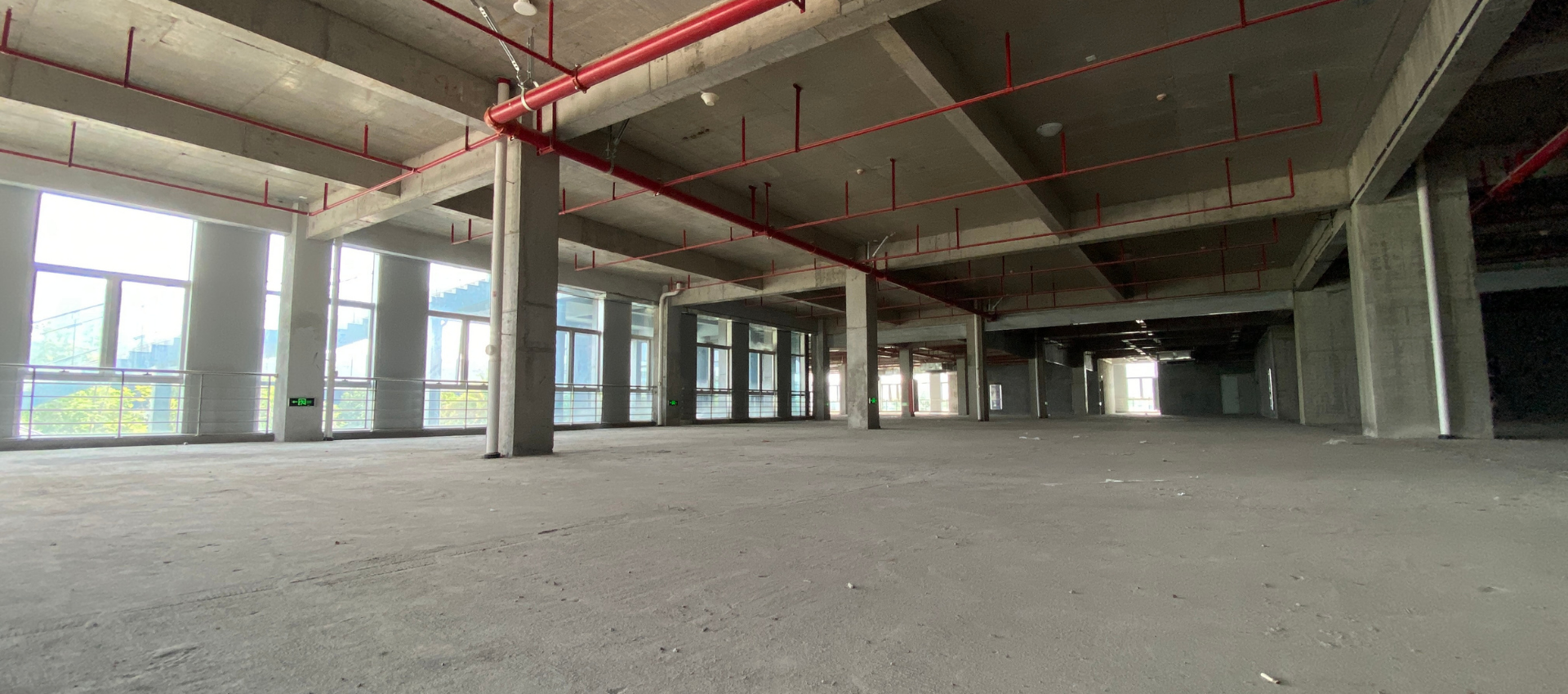
Reinstatement requires commercial tenants to return leased premises to their original condition at lease end.
What reinstatement means
Reinstatement is the obligation to return the leased premises to the condition they were in when you took occupation, typically described in the lease as “original condition” or “the condition at the commencement date of the lease.” At the end of your tenancy, whether the lease expires naturally or is cancelled early, you are required to remove everything you installed and restore the space to the state it was in before you occupied it.
In a commercial context, this can cover a significant amount of work. Partitioning, ceilings, lighting, air conditioning, flooring, electrical modifications, data cabling, plumbing changes, built-in storage, signage, and any structural alterations you made to the space all potentially fall within the scope of reinstatement. If you installed it during your tenancy, you may be required to remove it and make good any damage the removal causes to the underlying structure.
The cost of doing this depends entirely on the extent of the fitout and the condition the landlord expects the space to be returned in. For a tenant who took a bare shell, fitted it out comprehensively, and occupied it for five years, the reinstatement cost can be substantial, running to hundreds of thousands of rands in some cases, and represents a real financial liability that is rarely factored into the initial cost assessment of taking on a commercial space.
Why it is so commonly overlooked
Reinstatement clauses sit near the end of most commercial leases, in the section dealing with lease termination. At the point of signing, most tenants have already worked through the financial obligations that feel most immediate, the rental, the escalation, the deposit, the operating costs, and the reinstatement clause reads as a reasonable-sounding provision about leaving the space tidy. It is only when you start calculating what it would actually cost to strip out a fitted office, remove a raised floor, take down a ceiling grid, and restore every surface to shell condition that the financial weight of the obligation becomes clear.
The other reason reinstatement is overlooked is that it feels contingent. Most tenants sign a lease expecting to stay for the full term and renew. The idea of vacating, and the cost of doing so, is not front of mind at signing. But leases end, sometimes early, sometimes on terms that were not anticipated, and when they do, the reinstatement obligation in the lease determines exactly what you are required to do and pay before you hand back the keys.
What the lease says governs
Unlike residential tenancies, where the Rental Housing Act provides a regulatory framework that applies regardless of what the lease says, commercial reinstatement is almost entirely governed by the contract. What your lease says about reinstatement is what you are bound to. There is no statutory standard that overrides a clearly worded reinstatement clause, and landlords are entitled to enforce it.
This is why the reinstatement clause needs to be read carefully before you sign, not after the fitout is in and not at the point of notice. Three things to check in every commercial lease reinstatement clause are the scope of the obligation, the standard to which the premises must be restored, and whether landlord consent for fitout work affects the reinstatement position.
Scope: what you are required to remove
The reinstatement clause should specify what must be removed at the end of the lease. In some leases, the obligation extends to everything the tenant installed. In others, only specific categories of work are listed. In others still, the clause is broadly worded and covers anything that alters the original condition of the space.
Where the clause is broad, the safest approach is to assume that any fitout work you carry out falls within scope. If you intend to make significant modifications to the space, clarify with the landlord in writing before signing what the reinstatement position will be and get that clarification captured in the lease or in a written addendum.
Standard: what "original condition" means in practice
“Original condition” sounds clear but is frequently disputed in practice. The question is whether original condition means the condition the space was in when you personally took occupation, or a defined base-build specification that the landlord maintains as the standard for the building.
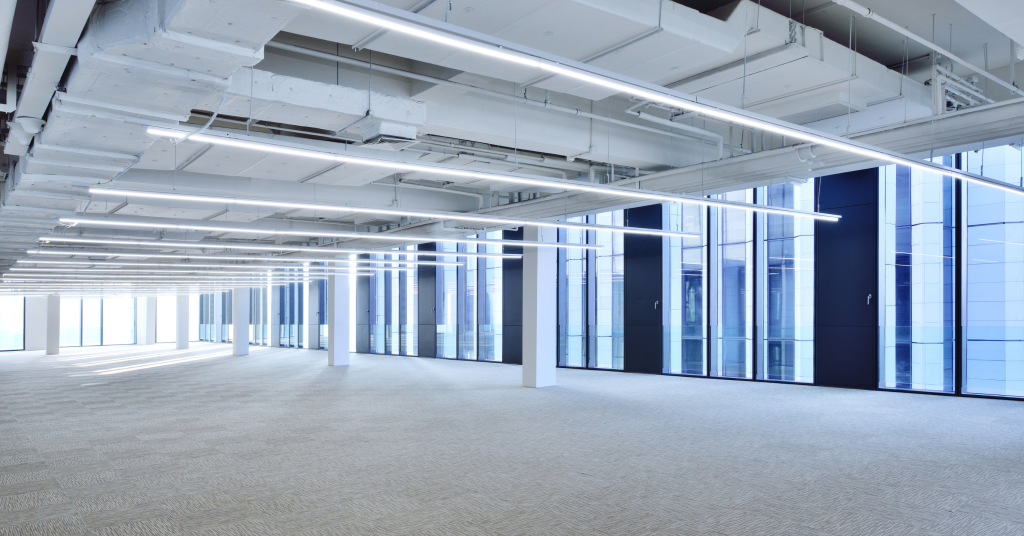
Where the lease refers to a specific specification, shell and core, warm shell, or a defined fitout standard, the reinstatement obligation is easier to assess. Where it simply says “original condition,” the incoming occupation schedule becomes the key reference document. This is the commercial equivalent of the residential incoming inspection: a record of the state of the premises at lease commencement that both parties sign. If no occupation schedule was completed at the start of the lease, establishing what “original condition” means becomes a matter of interpretation, and disputes are more likely.
Most commercial leases require the tenant to obtain the landlord’s written consent before carrying out any fitout or alteration work. That consent process is an opportunity to address the reinstatement position directly. When seeking consent, ask specifically whether the landlord intends to require reinstatement of the proposed work at the end of the lease. Some landlords, particularly where the fitout improves the lettability of the space, will agree in writing that reinstatement of specified elements will not be required. That written agreement, captured at the consent stage, is significantly easier to obtain than a reinstatement waiver after the work is done.
Where a landlord agrees to a “keep in” arrangement, meaning the fitout remains in place at the end of the lease, confirm this in writing and ensure it is reflected in the lease or a signed addendum. A verbal assurance at the consent stage is not enforceable at the end of a five-year tenancy.
What to negotiate before you sign
Reinstatement is a negotiating point, not a fixed term, but only before the lease is signed. Once you have committed to the agreement as drafted, the clause governs. Before signing, consider raising the following with the landlord or their managing agent. First, whether specific elements of the planned fitout can be agreed as “keep in” items at the outset, with that agreement captured in the lease. Second, whether the reinstatement obligation can be capped, either by value or by reference to a specific scope of work — to give you certainty about your maximum exposure. Third, what the landlord’s occupation schedule reflects as the starting condition of the space, and whether both parties can sign a record of that condition before you commence fitout.
None of these points are unusual asks in a commercial lease negotiation. A landlord who will not engage with them is signalling something about how they manage their portfolio that is worth factoring into your decision before you sign.
Reinstatement and early cancellation
If you cancel a commercial lease before the end of the fixed term, the reinstatement obligation does not fall away. Early exit triggers the same requirement to restore the premises as a natural lease expiry. In some cases, early cancellation accelerates the reinstatement timeline in ways that create additional cost pressure, particularly where the tenant is already managing the financial impact of an early exit.
Understanding the reinstatement clause before you sign, and factoring its potential cost into your assessment of the lease as a whole, gives you a more accurate picture of your total exposure if circumstances change during the tenancy.
Getting your lease reviewed before you sign
The reinstatement clause is one of several provisions in a commercial lease that carry financial exposure well beyond what is obvious from the headline rental. A commercial lease review identifies your reinstatement obligations clearly, flags any aspects of the clause that carry unusual risk or that are more broadly worded than standard, and gives you a documented basis for raising the right questions before you commit to the space.
Lease-IQ reviews commercial leases for Cape Town businesses from R1,250. Book a consultation call to discuss your lease before you sign.
The content in this article is provided for informational purposes and does not constitute legal advice. If you require legal representation or are involved in a formal dispute, consult a qualified attorney.