
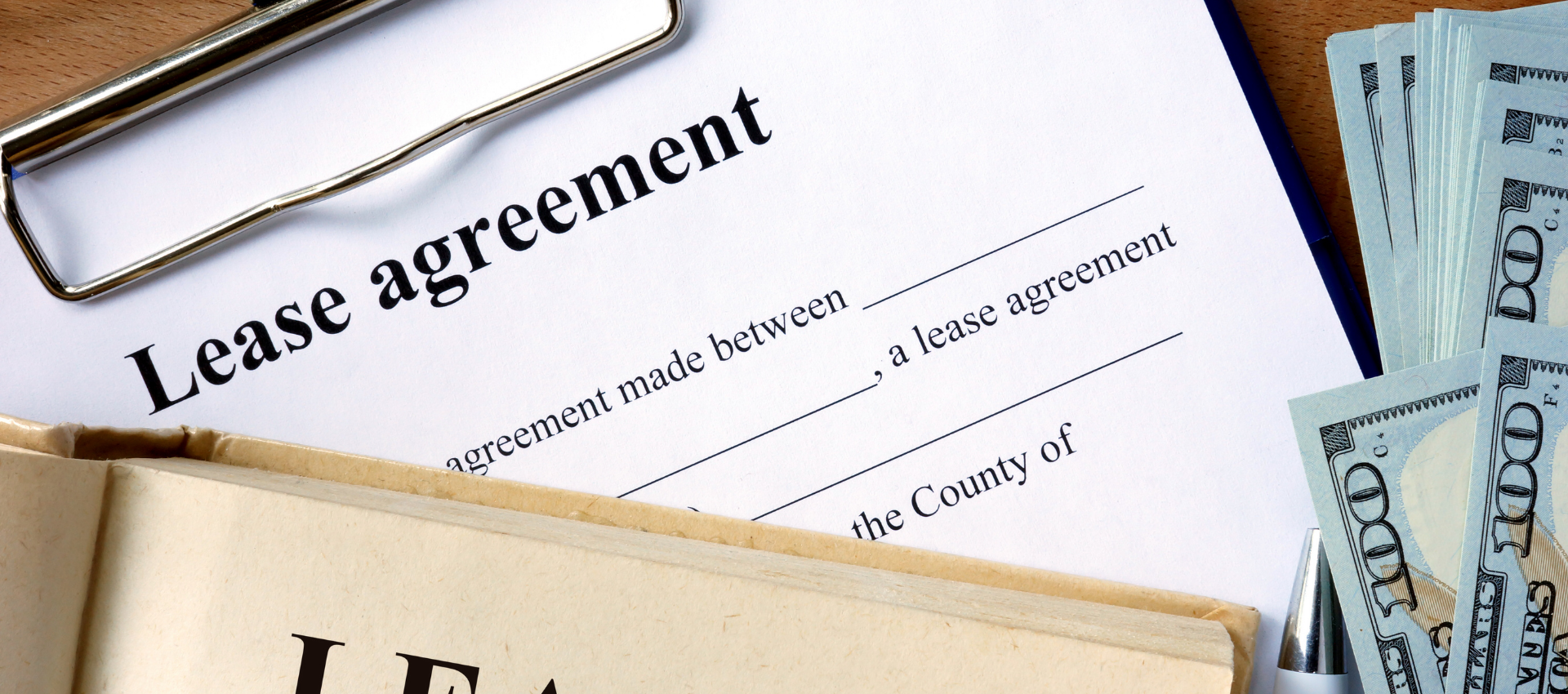
Lease Renewal
Most residential tenants treat a lease renewal as a formality. The landlord sends through a new agreement, the rental has gone up by whatever percentage was agreed, and the tenant signs without reading the rest of it. In most cases, nothing goes wrong. In enough cases, something does, and when it does, the tenant is bound by terms they did not notice had changed.
A lease renewal is not an extension of your current agreement. It is a new contract.
A lease renewal is not an extension of your current agreement. It is a new contract. Everything in it is open to revision, and landlords, or their managing agents, do revise it. Understanding what commonly changes at renewal, and why it matters before you sign, is the point of this article.
What the Consumer Protection Act says about renewal notice
Before getting into what can change, it is worth understanding your rights around the renewal process itself.
Under the Consumer Protection Act, a landlord is required to give you written notice of the approaching end of your fixed-term lease between 40 and 80 business days before the expiry date. That notice must remind you that the lease is ending and outline the options available, renewal, continuation on a month-to-month basis, or termination.
If you want to cancel at the end of the fixed term, you are required to give 20 business days written notice. If neither party gives notice, most leases provide for the agreement to continue on a month-to-month basis on the existing terms, but that is the existing terms, which is another reason to make sure you know what those terms are before the renewal window arrives.
What landlords and managing agents commonly revise at renewal
Maintenance and repair obligations
This is the area where tenants are most likely to find that something has changed without it being flagged. Managing agents periodically update their standard lease templates, and the version you sign at renewal may allocate maintenance responsibilities differently from the one you signed at the start of your tenancy. Clauses around geyser maintenance, plumbing, and electrical installations are the most commonly revised. A clause that placed geyser responsibility with the landlord in your original lease may not do so in the renewal.
Deposit provisions
Landlords sometimes require a deposit top-up at renewal to bring the deposit amount in line with the new rental. Check whether the renewal agreement includes a revised deposit requirement, how it is calculated, and what the conditions for its return are at the end of the new lease period. The Rental Housing Act requires deposits to be held in an interest-bearing account, confirm this is still reflected correctly in the renewal document.
Escalation structure
The escalation rate for the renewal period may differ from the rate that applied during the initial lease term. It is also worth checking when the increase takes effect. Some leases apply the renewal escalation from the commencement date of the new agreement. Others carry a lag. The difference affects your cash flow and is worth confirming before you sign. Read more about our residential lease reviews
Cancellation and notice terms
Notice periods and early cancellation provisions sometimes change between the original lease and the renewal. Check the notice period for month-to-month cancellation within the renewal term, the provisions around early exit during a fixed renewal period, and whether any new penalty clauses have been introduced.
Pet and occupancy clauses
Restrictions around pets, additional occupants, or subletting occasionally become more restrictive at renewal, particularly where a managing agent has updated their standard lease template or where the landlord has had problems with other tenants in the building. If pets or occupancy arrangements apply to your situation, check these clauses explicitly in the renewal document.
Rules and conduct provisions
Where a property is part of a sectional title scheme or managed complex, body corporate rules can change between lease periods. A renewal agreement may incorporate updated conduct rules by reference without drawing attention to what has changed. If the building has a homeowners or body corporate association, it is worth checking whether any rule changes have been passed since you originally signed.
The clauses you should check in every renewal
Tenants often feel that a renewal is not the time to raise concerns or ask for clarification, the relationship is established, the landlord knows them, and querying the document might create friction. That is the wrong way to think about it. A renewal is the highest-leverage moment in a tenancy to address terms that have never quite sat right, to query changes in the new agreement, and to ensure that what you are signing accurately reflects what has been agreed. A landlord who will not answer a reasonable question about a clause in their own lease agreement before you sign it is telling you something useful.
Getting a renewal reviewed before you sign
If you are approaching a renewal and want to understand what has changed and whether the new terms are reasonable, a lease review gives you a clear written summary of the material differences between your current agreement and the renewal document, and flags anything worth raising before you sign.
Lease-IQ reviews residential lease renewals as part of both the Standard Review and the Full Review and Report service. Book a consultation call to discuss your renewal before you commit to another lease period.
The content in this article is provided for informational purposes and does not constitute legal advice. If you are involved in a dispute or require legal representation, consult a qualified attorney.